


Caviar Almas in Moscow: 2026 Traveler's Guide to Tasting Luxury
Almas caviar—the pale gold roe from albino beluga sturgeon—commands prices that make even seasoned luxury travelers blink. A single kilogram can exceed €25,000, and finding the genuine article in Moscow requires knowing which venues stock the real thing versus rebranded substitutes. The name translates to "diamond" in Russian, and the scarcity matches: fewer than 100 kilograms enter the global market annually.
Moscow's caviar scene splits into two worlds. High-end hotel restaurants and specialty boutiques offer tasting experiences starting around ₽8,500 for 30 grams of premium beluga. True Almas sits in a different stratosphere entirely.
What Makes Almas Caviar Different From Standard Beluga
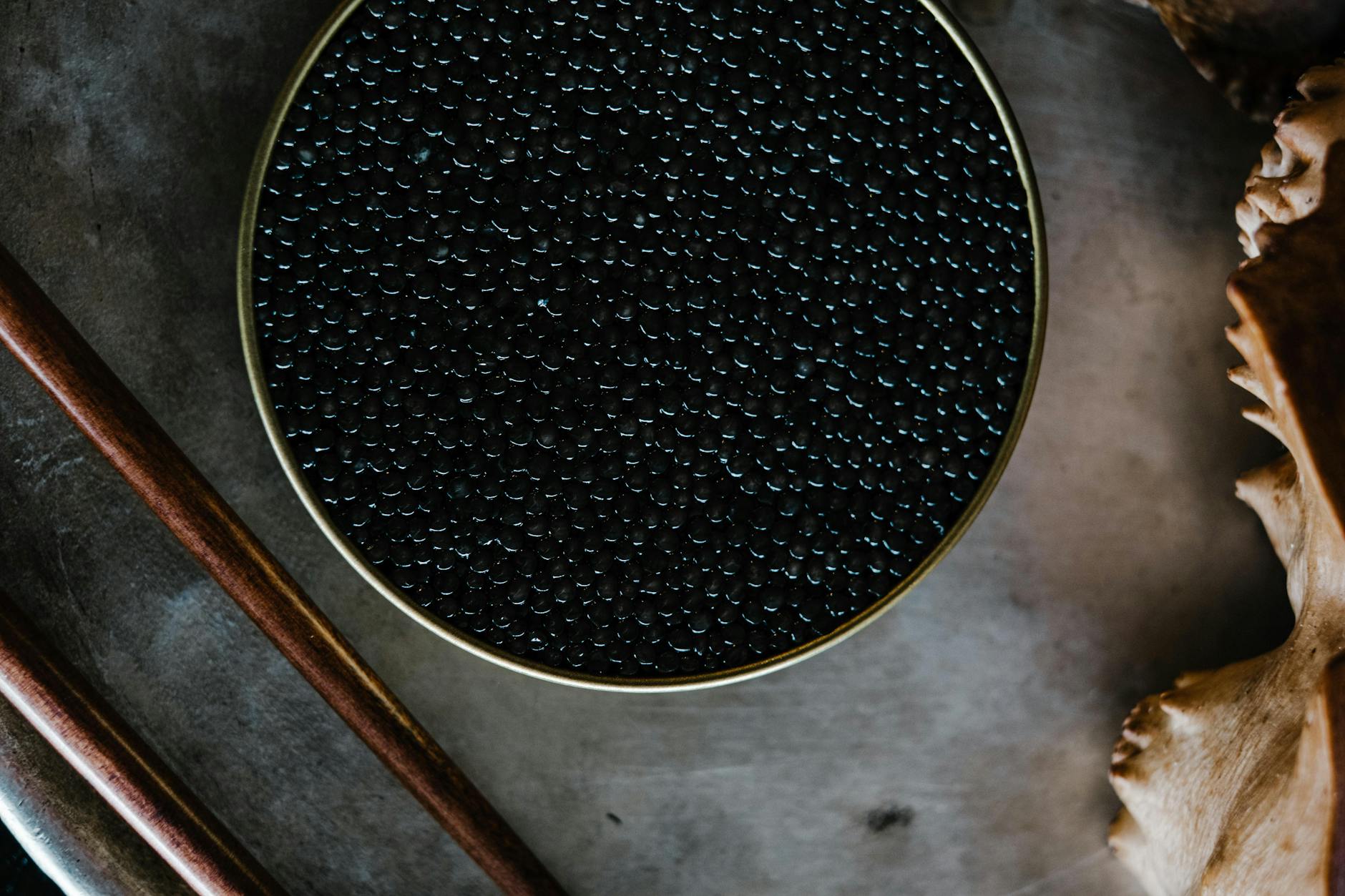
Almas comes exclusively from albino beluga sturgeon (Huso huso) aged 60-100 years, found historically in the Caspian Sea near Iran. The eggs range from pale ivory to light amber, never the typical gray-black of standard beluga. The flavor profile skews nuttier and creamier than darker roes, with less brine and a butter-soft texture that dissolves on the tongue.
When I visited the Beluga caviar bar inside Hotel Metropol in November 2025, the sommelier explained why most "Almas" labels mislead buyers. Genuine Almas carries Iranian export certificates and comes in 24-karat gold tins. Everything else—including many products labeled "white sturgeon caviar"—sources from younger fish or different species entirely. The bar didn't stock true Almas that evening, but their 20-year beluga (₽12,000 for 50g) gave me a reference point for what aged sturgeon roe should taste like: no fishiness, just clean ocean minerals and cream.
The Legal Landscape in 2026
Russia banned wild sturgeon harvesting in 2002. All legal caviar sold in Moscow now comes from aquaculture farms or imports with CITES permits. Iranian Almas enters Russia through licensed importers who pay steep duties. This regulatory framework means verified Almas appears only at venues willing to navigate customs paperwork and absorb import costs exceeding 40% of wholesale price.
Where Can You Actually Taste Almas in Moscow?

Three venues in Moscow stock authenticated Almas caviar as of early 2026, though availability fluctuates with import shipments.
Petrossian Boutique at Stoleshnikov Lane maintains the most consistent Almas inventory. The Paris-based caviar house opened this Moscow location in 2023 and sources directly from their Iranian partners. Expect to pay ₽45,000-₽55,000 for a 30-gram tasting portion served with blini, crème fraîche, and chilled vodka. Reservations required 72 hours ahead. The boutique sits eight minutes on foot from Teatralnaya metro station.
Caviar Bar at Turandot Restaurant (Tverskoy Boulevard) occasionally features Almas during private tasting events. Their standard menu tops out at Imperial Beluga (₽18,500/50g), but the head sommelier can arrange Almas service for groups of four or more with one week's notice. I called in December 2025 to inquire about pricing; they quoted €1,800 per person for a five-course caviar progression that included 20 grams of Almas as the finale.
The Caviar Gallery inside GUM stocks Almas intermittently. This isn't the main GUM food hall—it's a standalone boutique on the second floor near the historical toilets. Prices run slightly higher than Petrossian (₽58,000 for 30g last I checked), but they offer smaller 10-gram portions at ₽21,000 for travelers who want to taste without committing to a full service.
Common Mistake: Assuming Hotel Concierges Know Almas Sources
Most five-star hotel concierges in Moscow will confidently recommend caviar venues, but few distinguish between premium beluga and genuine Almas. I've heard concierges at three different luxury properties direct guests to restaurants serving excellent osetra or beluga while calling it "Almas-grade." If you're spending this much, verify the source certificate yourself or book directly through Petrossian.
How Much Does Almas Caviar Cost in Moscow Compared to Other Cities?

Moscow prices for Almas sit roughly 15-20% below London or New York due to lower commercial rents and shorter supply chains from the Caspian region. For context:
- Moscow (Petrossian): ₽45,000/30g = approximately €450 at current exchange rates
- London (Harrods): £520/30g = approximately €620
- Dubai (Caviar Kaspia): $750/30g = approximately €690
- Paris (Petrossian flagship): €580/30g
The Moscow advantage narrows when you factor in the stronger authentication requirements in EU markets. Russian import documentation can be less transparent, which is why buying from established houses like Petrossian matters more here than abroad.
Standard beluga caviar—still luxurious, just not Almas—costs ₽8,000-₽15,000 per 50 grams at reputable Moscow venues. Osetra runs ₽5,500-₽8,000 per 50 grams. If you're new to high-end caviar, start with a 20-year beluga tasting before committing to Almas prices.
What Should You Pair With Almas Caviar?
Traditional Russian service uses warm blini, but the delicate Almas flavor gets buried under buckwheat. Better options include:
Lightly toasted brioche at room temperature—the subtle sweetness complements the roe's nuttiness without competing. Petrossian serves theirs with unsalted French butter on the side.
Chilled potato blinis (not hot) offer a neutral base that lets the caviar shine. Turandot's version uses Yukon gold potatoes and stays just warm enough to release the eggs' aromatics.
Plain crème fraîche works, but skip sour cream—the acidity clashes with Almas's mineral notes.
For drinks, bone-dry champagne (Blanc de Blancs) or frozen Russian vodka both work. Avoid flavored vodkas. The Metropol sommelier recommended Ruinart Blanc de Blancs 2015, which had enough acidity to cleanse between bites without overwhelming the caviar. At ₽18,000 per bottle, it added substantially to the bill, but the pairing made sense.
Can You Buy Almas to Take Home?
Petrossian and the GUM Caviar Gallery sell sealed tins for takeaway, but export gets complicated. Russian customs allows caviar export up to 250 grams per person with proper documentation. You'll need the original purchase receipt, the CITES permit (the shop provides this), and a veterinary certificate (also arranged by the shop for ₽2,500-₽3,500).
Most countries restrict caviar imports to 125 grams per traveler without additional permits. Check your destination's regulations before buying. The EU, UK, and US all require you to declare caviar at customs even in legal quantities.
Practical transport: Almas tins come in insulated boxes with ice packs good for 12 hours. If your flight exceeds that, request dry ice (available at Sheremetyevo Airport's premium lounge services for ₽1,200). Place the tin in your checked luggage—it's not prohibited in carry-on, but temperature fluctuations in overhead bins risk spoilage.
Shelf Life Reality
Unopened Almas lasts 6-8 weeks refrigerated at -2°C to +2°C. Once opened, consume within 72 hours. The eggs oxidize quickly, turning the flavor metallic. If you're buying a tin to enjoy at home over several days, this won't work—purchase only what you'll finish in one sitting.
Is Almas Worth the Price for Most Travelers?
Honest answer: probably not, unless you're a serious caviar enthusiast or checking off a bucket-list item. The difference between excellent 20-year beluga (₽12,000/50g) and Almas (₽45,000/30g) is real but subtle—more refined, creamier, with longer finish. It's not three times better despite costing nearly four times as much per gram.
What you're paying for is extreme rarity and the story. Fewer people have tasted genuine Almas than have summited Everest. If that exclusivity matters to you, Moscow offers better access and lower prices than almost anywhere else.
For travelers who want a luxury caviar experience without the Almas premium, I'd suggest booking a tasting flight at Beluga Bar (Hotel Metropol) or Caviarrusse near Patriarch's Ponds. Both offer side-by-side comparisons of osetra, sevruga, and beluga (₽15,000-₽22,000 for 100 grams total across three types). You'll learn more about caviar this way than from a single Almas serving.
If you do pursue Almas, book through GetExperience.com for curated luxury food experiences—they partner with several Moscow caviar venues and can arrange private tastings with sommeliers who actually know the product. The Moscow Pass won't cover Almas-level dining, but it includes other premium food experiences and transportation that make building a luxury itinerary simpler.
How Do You Verify You're Getting Real Almas?
Ask to see three things before ordering: the gold tin with Cyrillic and Farsi text, the Iranian export certificate with a hologram seal, and the CITES permit number. Legitimate Almas always ships in 24-karat gold containers—if it arrives in glass or standard metal, it's not Almas regardless of what the menu claims.
The roe itself should be pale ivory to light gold, never white (that's paddlefish or hackleback marketed deceptively). Eggs should be firm enough to resist gentle pressure but break cleanly with a slight pop. If they're mushy or smell anything other than clean ocean brine, send it back.
Petrossian remains your safest bet because their reputation depends on authentication. The smaller boutiques sometimes source through intermediaries who make verification harder.
One more detail from my Metropol visit: the sommelier mentioned that genuine Almas has a finish that lasts 15-20 seconds after swallowing, with a faint hazelnut note at the very end. Standard beluga finishes in 8-10 seconds. It's a small difference, but noticeable once you know to expect it.


