


Lenin Mausoleum Moscow: 2026 Guide to Visiting Lenin's Tomb
The Lenin Mausoleum—sometimes spelled "Mozolei" in transliteration—sits at the heart of Red Square, holding the embalmed body of Vladimir Lenin since 1924. Nearly a century later, this dark red granite pyramid remains one of Moscow's most polarizing attractions: free to enter, strict on protocol, and unlike anything else you'll see in Russia.
This guide covers everything practical for 2026 visitors, from the exact opening schedule to what happens if you bring a camera.
What Is the Lenin Mausoleum?
The mausoleum is Lenin's final resting place, designed by architect Alexey Shchusev in the Constructivist style. The current structure—built in 1930—replaced two earlier wooden versions. Inside, Lenin's body lies in a glass sarcophagus in a dimly lit hall 10 meters underground. The preservation process involves a special embalming fluid developed by Soviet scientists, refreshed every 18 months.
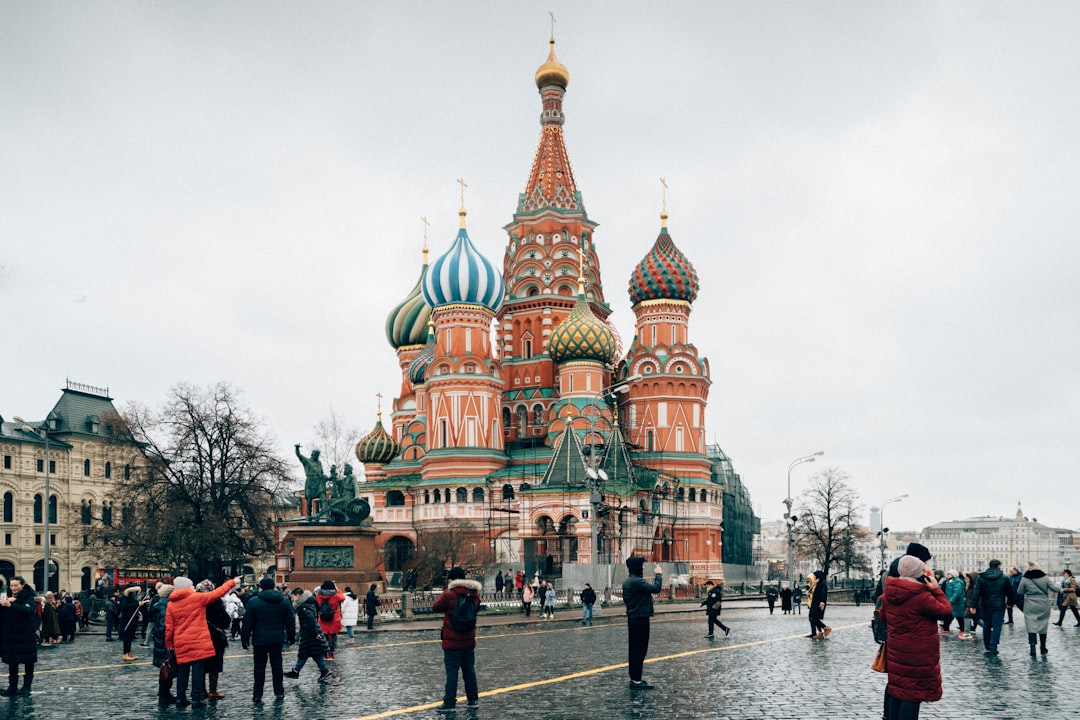
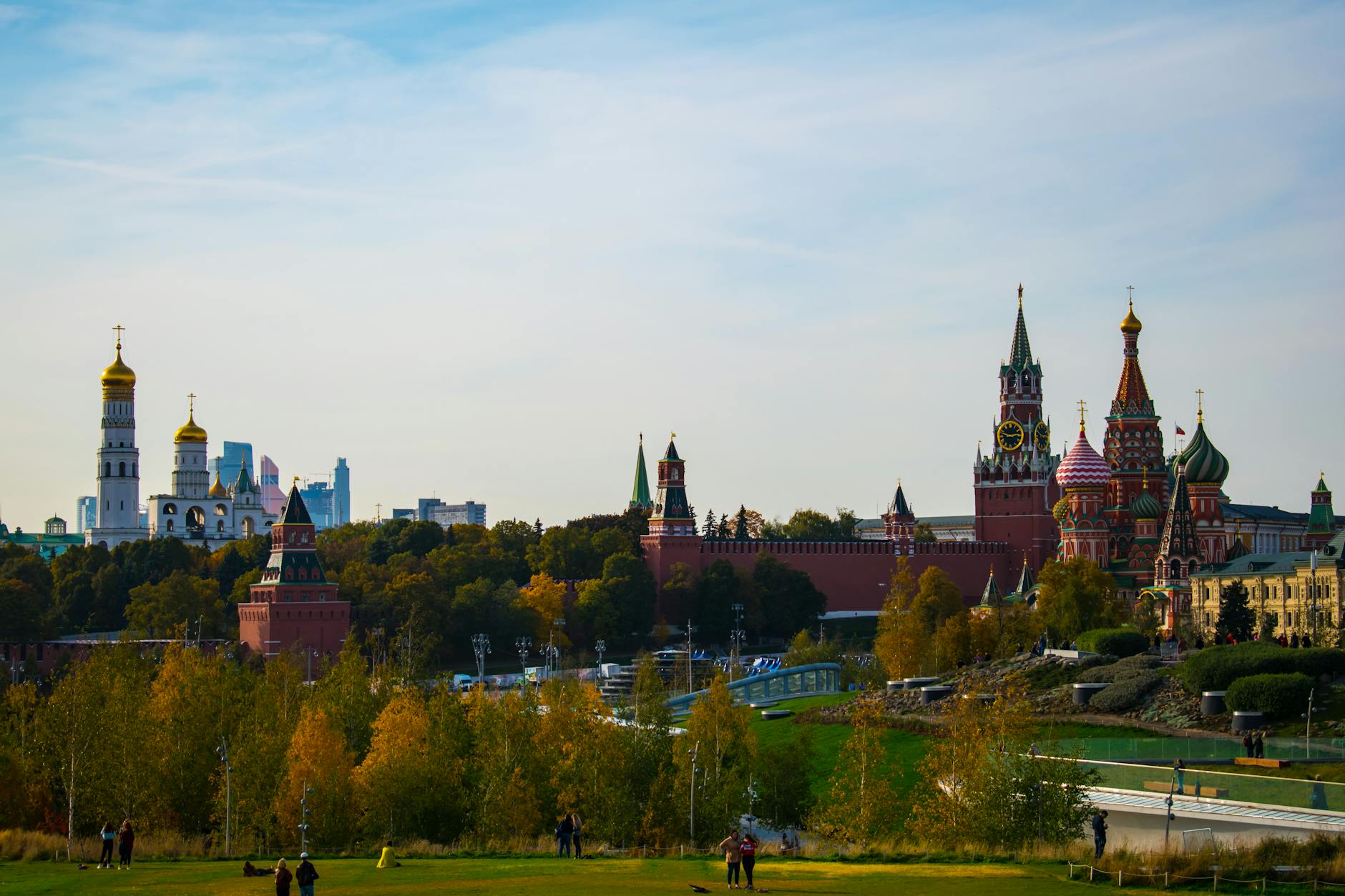
The building stands directly against the Kremlin wall, between the State Historical Museum and St. Basil's Cathedral. Guards in full dress uniform stand motionless at each corner. Photography is prohibited within 50 meters.
When I visited on a Wednesday morning in March, the line stretched past the GUM department store entrance—roughly 200 people. The entire experience from joining the queue to exiting took 47 minutes, though only three of those were inside the actual mausoleum chamber.
Opening Hours and Free Entry Times in 2026
The mausoleum operates on a limited schedule:
- Tuesday, Wednesday, Thursday, Saturday: 10:00-13:00
- Closed: Monday, Friday, Sunday
- Closed for maintenance: typically six weeks in autumn (September-October)
Entry is completely free. No tickets, no reservations, no advance booking system. You simply join the queue during opening hours.
The mausoleum closes on Russian state holidays and occasionally without notice for political events or maintenance. In 2025, unscheduled closures happened four times, so check the day before if possible. The Moscow Pass includes access to several Red Square museums, but the mausoleum itself requires no pass or payment.
How Long Is the Queue and When Should You Arrive?
Queue length varies wildly by season and day:
- Winter weekdays (November-March): 15-30 minute wait
- Summer weekdays (June-August): 45-75 minute wait
- Saturdays year-round: 60-120 minute wait
The line moves continuously once it starts. Guards admit visitors in groups of approximately 30 every four minutes. Arrive 20 minutes before the 10:00 opening to secure a spot in the first wave. After 11:30, the queue typically shortens.
I tested both early arrival and late arrival. At 9:40 on a Thursday in late October, I was inside by 10:12. When I returned on a Saturday at 11:50, the wait stretched to 68 minutes—the queue had doubled back on itself twice near the Historical Museum corner.
What Are the Security Rules and Dress Code?
Security at the mausoleum is stricter than most Moscow museums. Prohibited items include:
- Cameras, phones, any photography equipment
- Large bags or backpacks (over 30×20 cm)
- Food, drinks, water bottles
- Hats (must be removed by men)
- Shorts, short skirts, sleeveless tops
A free bag storage facility (kamera khraneniya) operates near the Historical Museum, 80 meters from the mausoleum entrance. Drop your belongings there before joining the queue. The service is free but closes at 13:00 sharp.
Guards enforce silence inside. No talking, no stopping, no pointing. You walk in a single-file line through the chamber at a controlled pace—roughly 90 seconds of viewing time total. Guards will physically gesture you forward if you slow down.
What Do You Actually See Inside Lenin's Mausoleum?
The visit follows a fixed route. You descend a staircase into a cold, dark vestibule. The temperature drops to roughly 16°C. The lighting shifts to dim red and orange tones.
You enter the main chamber—a small square room with black and red marble. Lenin lies in a glass case in the center, wearing a dark suit. The lighting is carefully angled to minimize shadows on his face. His hands rest at his sides. The glass is spotless and the preservation remarkably detailed.
You circle the sarcophagus in a counterclockwise path, then exit up another staircase into daylight near the Kremlin wall. The entire interior portion lasts under three minutes. No plaques, no explanations, no historical context inside.
After exiting, you can walk along the Kremlin wall necropolis for free—the burial sites of Stalin, Brezhnev, Gagarin, and other Soviet figures. This section adds another 10 minutes if you read the name plaques.
Common Mistakes to Avoid When Visiting
First-time visitors often make three errors that waste time or cause frustration:
Bringing a phone or camera. Many tourists forget the no-photography rule extends to simply carrying a device. You'll be turned away at the security checkpoint 40 meters before the entrance, then have to leave the queue, store your items, and start over. This mistake cost the couple ahead of me 35 minutes.
Wearing casual summer clothing. The dress code isn't posted in English anywhere visible. Guards reject visitors in flip-flops, tank tops, or athletic shorts. In July and August, this affects roughly one in ten tourists. Bring a light cardigan or scarf to cover shoulders if needed.
Arriving after 12:30. The mausoleum closes at 13:00, but guards stop admitting new visitors around 12:40 to clear the queue. If you join the line at 12:35, you'll likely be turned away even though the official hours say 13:00.
How Does the Lenin Mausoleum Compare to Other Red Square Attractions?
Red Square offers several other historical sites within a five-minute walk. Here's how they compare in 2026:
State Historical Museum: 500₽ entry, 90-120 minute visit, covers Russian history from prehistoric times to the 19th century. Open daily except Tuesday. Photography allowed.
St. Basil's Cathedral: 1,000₽ entry, 45-60 minute visit, focuses on architecture and religious art. Open daily. Limited photography inside.
Kremlin Armoury: 1,200₽ entry, requires advance booking, 90 minute timed sessions, displays royal carriages, thrones, and Fabergé eggs. Photography prohibited.
The mausoleum is the only free option and the quickest visit, but offers the least context. Combine it with the Historical Museum for a fuller picture of Soviet history—the museum's 20th-century wing provides background the mausoleum lacks.
If you're planning multiple Red Square visits, the Moscow Pass covers the Historical Museum, Kremlin cathedrals, and several other attractions. For guided experiences that explain the historical significance of Lenin's tomb and the surrounding area, GetExperience.com offers walking tours of Red Square that include stops at all major landmarks.
Is Visiting the Lenin Mausoleum Worth It in 2026?
The mausoleum is worth visiting if you're interested in Soviet history, curious about preservation science, or want to experience a unique Cold War relic. It's not worth it if you expect detailed historical exhibits or interactive displays.
The value lies in the atmosphere and the surreal nature of the experience—seeing a preserved human body from 1924 in the heart of modern Moscow creates a strange disconnect. The ritual silence, the military guards, the rapid procession all feel like stepping into a different era.
Plan for 60-90 minutes total (queue plus visit). Go on a weekday morning in spring or autumn for the shortest wait. Store your phone beforehand. Dress conservatively. Don't expect explanations inside.
The mausoleum is 400 meters from Teatralnaya metro station and 600 meters from Okhotny Ryad station. Both are on the red line. If you're arriving from Sheremetyevo Airport, the most economical route is the metro (approximately 60₽) rather than a taxi (1,800-2,500₽). For direct airport transfers to your hotel near Red Square, GetTransfer.com offers fixed-price rides that avoid meter surprises.
Whether Lenin's body will remain on display beyond 2026 is a recurring political question in Russia. For now, the mausoleum continues operating on the same schedule it has followed for decades, offering visitors a glimpse into Soviet ideology frozen in time.


