


Russia is building its first purpose-built high-speed railway between Moscow and St Petersburg, known by its Russian abbreviation VSM (vysokoskorostnaya magistral, "high-speed mainline"). When it opens, it is designed to cut the journey between the two capitals to about 2 hours 15 minutes. Here is the latest on the project as of 2026 — and, just as importantly, how to make the trip today while the line is still under construction.
What the VSM actually is
The VSM is a brand-new, dedicated high-speed line — not an upgrade of the existing tracks. That distinction matters: today's fastest service, the Sapsan, shares conventional railway with other trains and takes roughly 3.5 to 4 hours. The VSM will run on its own alignment built for much higher speeds — up to around 400 km/h — which is what makes the 2h15m target possible.
The project was approved by the Russian government in 2024, with construction beginning in 2025 and the line planned to open around 2028. Work is already at full scale in 2026, with tens of thousands of workers and thousands of machines on site. The first carriages have already been welded, and assembly of the first full train is scheduled to begin in 2027, ahead of testing on a pilot section of the line.
Route, speed and stations
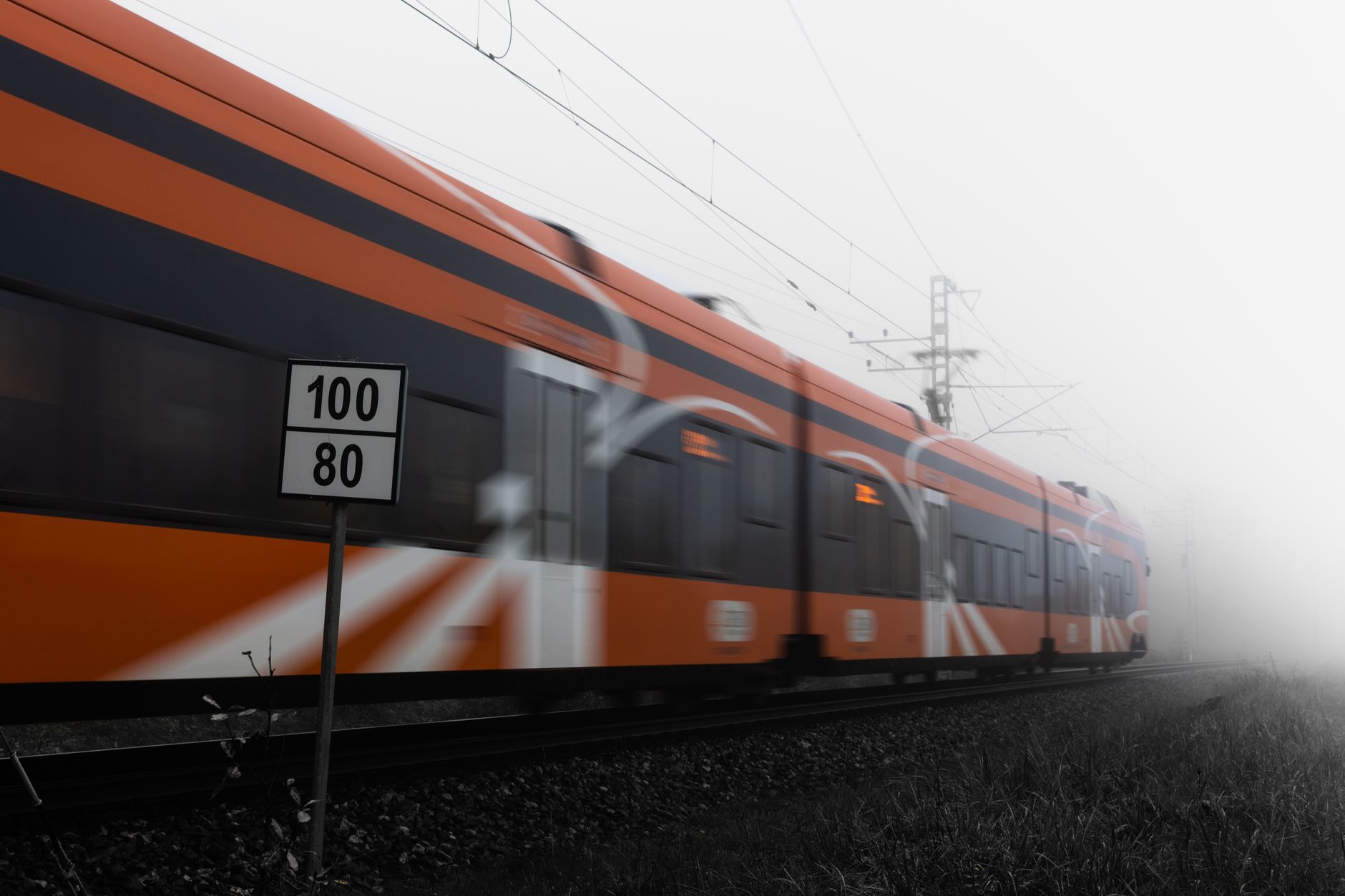
According to the published plans, the line will be about 679 km long and serve 16 stations, including several within the Moscow area. Trains are expected to depart every 10 to 15 minutes at peak times and carry up to 460 passengers each. Intermediate stops are planned near cities such as Tver and Veliky Novgorod, which would make several historic towns far easier to reach on a day trip.
Funding is well advanced: Russian Railways has earmarked around 120 billion rubles for the project in 2026, and a further 171 billion rubles was raised through a bond issue in June 2026. Still, like any megaproject, the timeline and details can move, so treat 2028 as the current target rather than a guaranteed date.
VSM vs Sapsan: what's the difference?
| Sapsan (today) | VSM (planned) | |
|---|---|---|
| Type of track | Existing shared railway | New dedicated high-speed line |
| Journey time | About 3.5–4 hours | About 2 h 15 min |
| Top speed | Up to 250 km/h | Up to about 400 km/h |
| Status | Running now | Under construction |
| When | Available today | Targeted for around 2028 |
Why it matters for travellers
If the line opens on schedule, a Moscow–St Petersburg day trip becomes genuinely practical: two hours each way turns two of Europe's greatest cities into a comfortable same-day pairing. It would also relieve pressure on flights and existing trains between the capitals.
Until then, nothing changes for your 2026 trip — the high-speed line is not carrying passengers yet.
How to travel between Moscow and St Petersburg right now
For the foreseeable future the Sapsan remains the fastest and most popular way to travel between the two cities. Our detailed guide covers Sapsan tickets, prices and classes, and if you are weighing train against plane or car, see the best way to travel between Moscow and St Petersburg. Planning to see both cities on one trip? Start with our ultimate guide to Russia's two capitals.
Frequently asked questions
Is the Moscow–St Petersburg high-speed rail open yet?
No. The VSM line is under construction and is planned to open around 2028. It is not carrying passengers in 2026.
How is the VSM different from the Sapsan?
The Sapsan runs today on existing shared tracks and takes about 3.5 to 4 hours. The VSM is a new, dedicated high-speed line designed to cut the trip to roughly 2 hours 15 minutes.
How fast will the VSM be?
Trains are being built for speeds of up to around 400 km/h, reducing the Moscow–St Petersburg journey to about 2 h 15 min, compared with 3.5–4 hours today and over 5 hours on older trains.
How many stations will the line have?
The plans call for about 16 stations along a 679 km route, with intermediate stops near cities such as Tver and Veliky Novgorod.
What is the fastest way to travel between the cities today?
The Sapsan high-speed train, which takes about 3.5 to 4 hours. See our Sapsan guide for tickets, classes and booking tips.
The VSM is a major infrastructure project and its schedule may change; confirm details before making plans around it. Sources: the Moscow–Saint Petersburg high-speed railway overview and TASS reporting.


