


Rus Birası in Moscow: Where to Find Local & Craft Beer in 2026
Moscow's craft beer scene exploded over the past decade. The city now hosts over forty independent breweries and more than a hundred taprooms pouring Russian-made ales, lagers, and experimental styles. If you're hunting for authentic rus birası—Russian beer—you'll find everything from classic светлое (svetloye, light lager) to barrel-aged imperial stouts brewed five metro stops from Red Square.
This guide maps the capital's best spots for local beer. You'll get real addresses, current tap prices, and the beer styles worth trying.
Understanding Russian Beer Styles Beyond Baltika
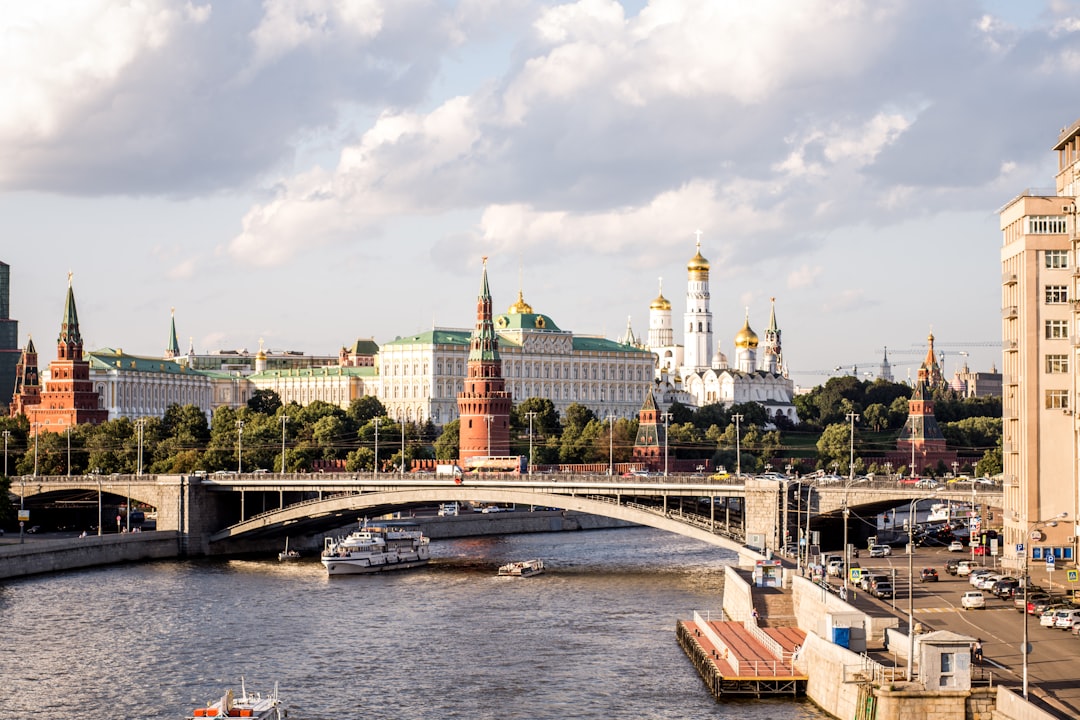
Russian beer culture splits into two worlds. Industrial brands like Baltika, Zhiguli, and Ochakovo dominate supermarket shelves at 80-150₽ per half-liter. Craft breweries occupy the opposite end: small-batch releases, rotating taps, and prices starting around 350₽ for 0.4L pours.
Traditional Russian styles lean pale and crisp. Светлое mirrors Czech pilsner with a slightly sweeter malt profile. Темное (temnoye, dark beer) resembles Munich dunkel. Both sit around 4.5-5.2% ABV. Modern Moscow brewers now produce IPAs, sours, and stouts that rival Western European quality.
When I visited Salden's brewery taproom near Baumanskaya metro last October, the bartender poured me a side-by-side comparison of their classic светлое and a dry-hopped version. The difference surprised me—the hopped variant had grapefruit notes I'd never associated with Russian lager. That taproom charges 420₽ for 0.5L of their standard range, 580₽ for limited releases.
One quirk: many Moscow beer bars price by alcohol volume, not just pour size. A 0.3L glass of 8% imperial stout often costs more than 0.5L of 5% pale ale from the same brewery.
Top Moscow Breweries With On-Site Taprooms
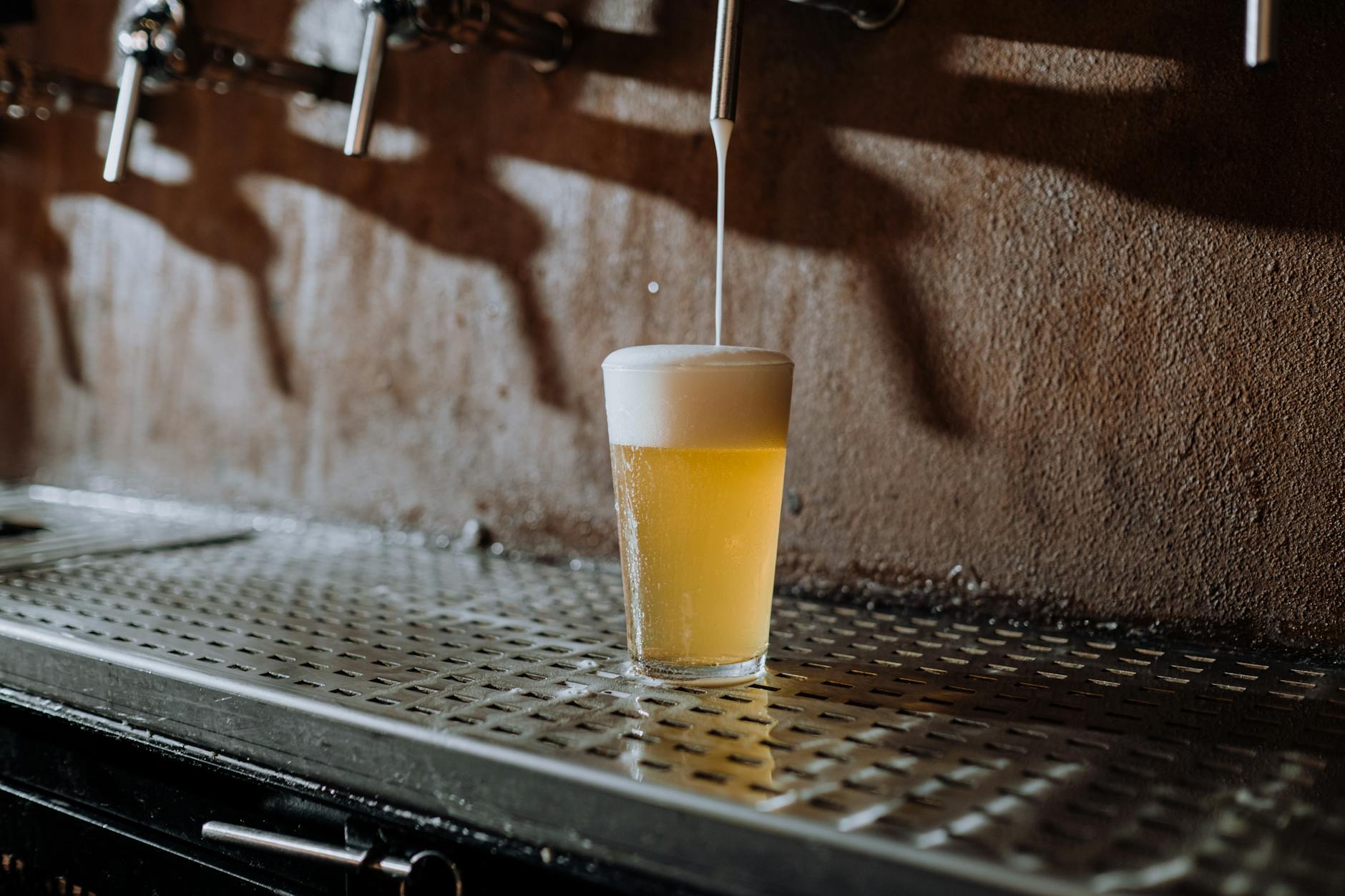
Salden's Brewery operates the oldest craft taproom still running in central Moscow. Their facility sits on Nizhnyaya Syromyatnicheskaya Street, a twelve-minute walk from Kurskaya metro. The taproom opens daily 12:00-23:00. Expect eight taps rotating weekly, plus bottled reserves. Their flagship Pale Ale runs 380₽ per 0.4L. The space fits maybe forty people, so weekend evenings get packed by 19:00.
Zagovor Brewery near Rimskaya metro focuses on Belgian-inspired styles. Their saison and tripel match anything I've tasted in Brussels. The taproom occupies a converted warehouse with exposed brick and twenty-foot ceilings. Pours start at 400₽. They serve small plates—pickled vegetables, smoked fish, cheese boards—that pair well with their farmhouse ales. Open Tuesday-Sunday 14:00-midnight.
Stamm Brewing runs a production facility in eastern Moscow with a small tasting room. Not tourist-friendly by location, but serious beer hunters make the trip. Their Baltic porter won gold at the European Beer Star competition two years running. Bottles sell for 320₽ at the brewery, 450-500₽ in city-center shops.
Most brewery taprooms accept cards. Bring cash as backup—some neighborhood spots still run cash-only on weekends when card readers fail.
Where Can I Find the Best Craft Beer Selection in Central Moscow?
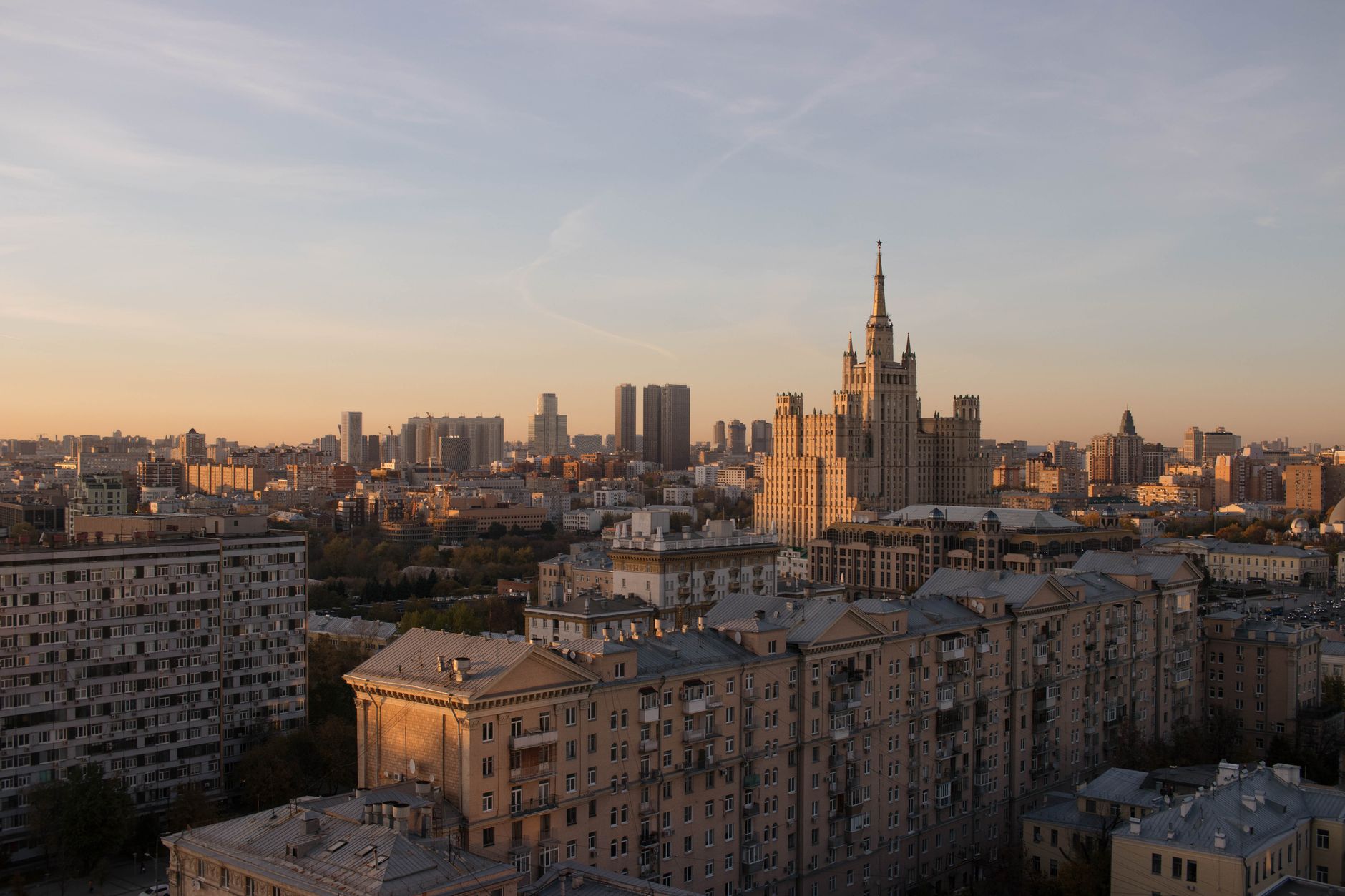
Central Moscow's densest craft beer zone runs along Tverskaya Street and its side alleys. Three bars within a ten-minute walk pour fifty-plus Russian taps between them.
Craftburger & Craftbeer (yes, one name) sits on Strastnoy Boulevard near Pushkinskaya metro. Twenty taps, eighteen Russian, two guest lines from Europe. Their printed menu lists brewery, style, ABV, IBU, and price. Most pours cost 380-480₽ for 0.4L. The burger-and-beer combo runs 890₽—decent value by Moscow standards. Kitchen open until 23:00 daily.
Tarelka on Malaya Bronnaya focuses on sour and wild ales. If you like funky, barnyard-character beers, this spot stocks the capital's best selection. Eight taps, all Russian microbreweries. Prices climb to 520-680₽ per pour because sours take longer to produce. Small venue, sixteen seats, reservations recommended for Friday-Saturday.
Pivnushka near Mayakovskaya metro operates as a bottle shop with a standing bar. Grab bottles to go or drink on-site for a 50₽ corkage fee. Their cooler holds two hundred labels, maybe sixty percent Russian craft. Bottles range 280-850₽. The owner knows his inventory—ask for recommendations.
The Arbat pedestrian street hosts several beer bars, but most cater to tourists with inflated prices and limited Russian selections. Skip them unless you're already there for sightseeing.
How Much Does Craft Beer Cost in Moscow Compared to Standard Lagers?
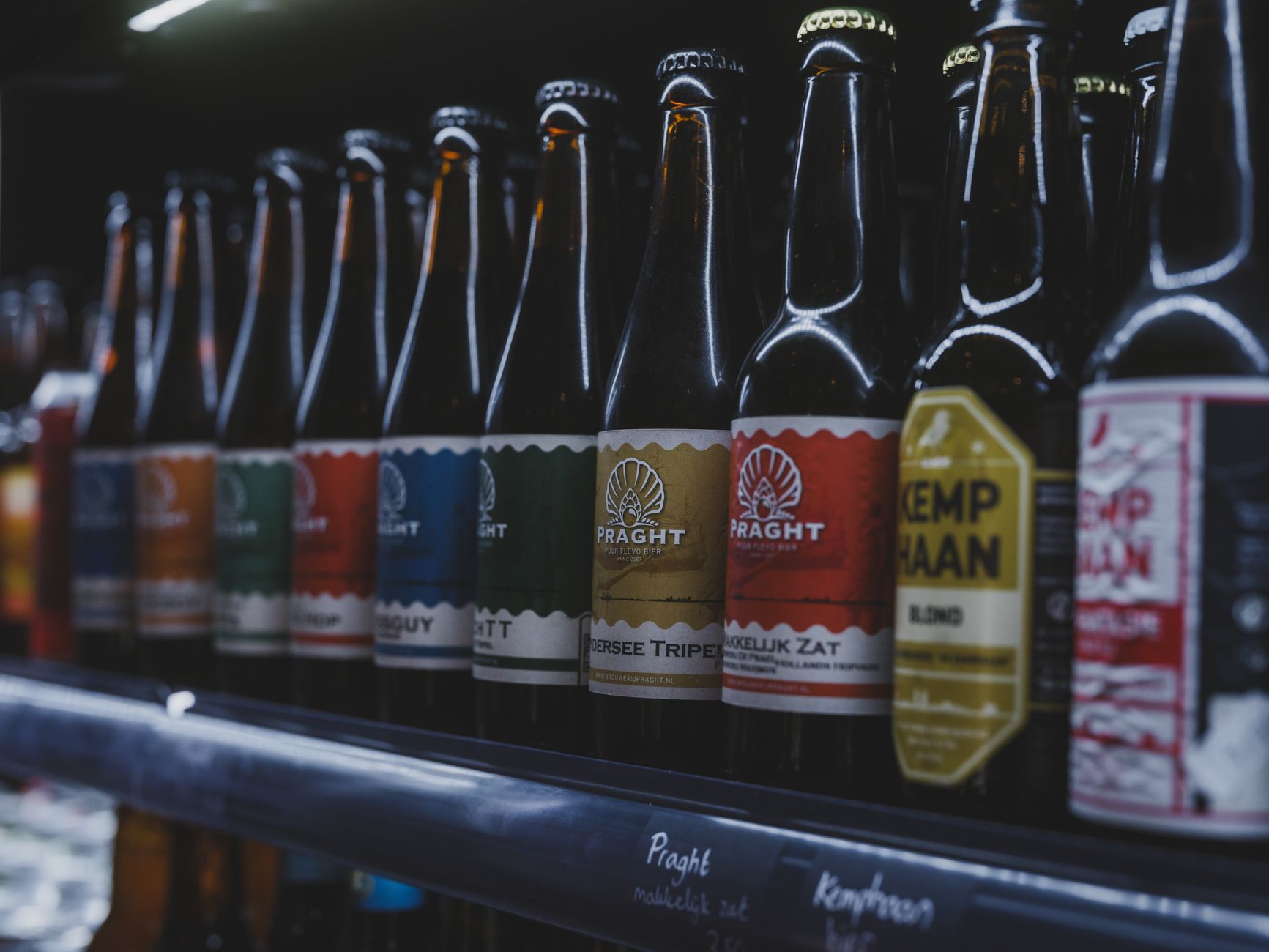
Price gaps are significant. A half-liter of Baltika or Zhiguli at a neighborhood bar costs 150-220₽. The same volume of Russian craft beer starts at 350₽ and climbs past 700₽ for rare releases or high-ABV styles.
Retail pricing follows similar patterns. Supermarkets sell industrial lagers for 65-110₽ per 0.5L can. Craft bottles in specialty shops cost 220-450₽ for 0.33-0.5L, depending on style and brewery reputation.
Import prices skew higher. European and American craft beers in Moscow shops typically run 400-850₽ per bottle after import duties and transport costs. This pricing actually helps Russian breweries compete—local craft costs less than imports while matching quality.
One money-saving trick: many breweries sell growler fills at their taprooms. A two-liter growler of fresh IPA costs around 800-1,000₽—roughly half the per-liter rate you'd pay for individual pours. Bring your own growler or buy theirs for 350-500₽.
What Are the Must-Try Russian Beer Styles?
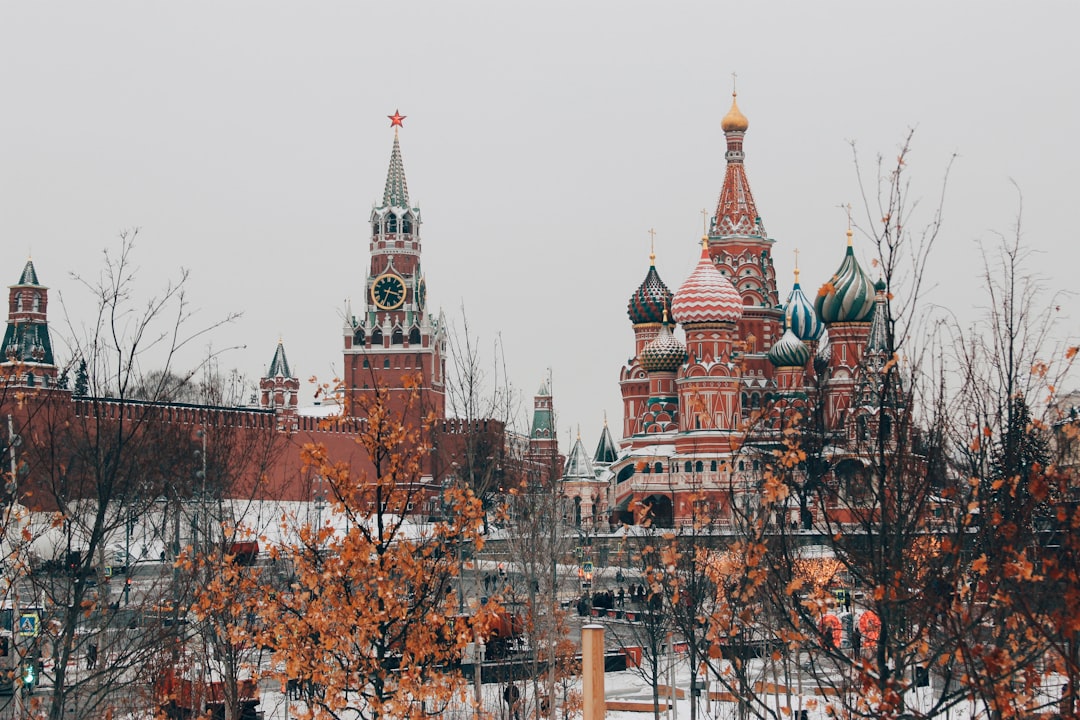
Start with a proper светлое from a craft brewery, not the supermarket version. Breweries like Konix and Stout Garden produce светлое with actual hop character and clean malt flavor. This style defines Russian beer identity, so trying a well-made example matters.
Russian imperial stout originated here, despite the name suggesting otherwise. Modern Moscow brewers reclaimed the style. Expect thick, roasty beers around 9-12% ABV with chocolate, coffee, and dark fruit notes. Prices hit 550-750₽ per 0.3L pour. Worth it if you appreciate big stouts.
Smoked beer shows up on some Moscow tap lists. Brewers use beechwood-smoked malt to create a bacon-like aroma. Polarizing style—you'll either love it or drain half a glass and order something else. Try a small pour first.
Kvass-inspired beers bridge traditional and modern. A few experimental brewers ferment with kvass cultures or add rye bread to the mash. These beers taste slightly sweet, earthy, and nothing like Western styles. AF Brew and Bakunin produce interesting versions.
Beer Bars Near Major Moscow Landmarks
If you're based near Red Square or the Kremlin, Beer Happens on Nikolskaya Street offers the closest quality selection. Fifteen taps, half Russian craft, half European imports. Located two minutes' walk from GUM. Pours cost 420-580₽. The terrace opens May through September when weather permits.
Near Gorky Park, Gorky Park Tap Room inside the park grounds pours eight rotating Russian taps. Convenient if you're already visiting the park. Prices reflect the location premium—480₽ and up. But sitting on their outdoor deck with a local IPA beats most tourist-trap experiences.
The Tretyakov Gallery area lacks good beer options within walking distance. Plan to metro to Novokuznetskaya or Paveletskaya stations, where several craft bars cluster.
Bolshoi Theatre district offers Craft Republic on Petrovka Street, eight minutes on foot from the theater. Twelve taps, all Russian except two guest lines. They stock rare barrel-aged releases if you ask the bartender. Expect 450-680₽ per pour.
Common Mistakes to Avoid When Beer Hunting in Moscow
Don't assume every bar with "craft" in the name actually pours craft beer. Some spots use the label while serving industrial brands on tap. Check the tap handles or ask to see the beer menu before sitting down.
Avoid buying beer at train stations or airport shops. Prices inflate by thirty to fifty percent, and selection skews toward mass-market brands. If you want beer for the train, stop at a supermarket first.
Don't order craft beer at generic restaurants unless they specifically advertise their beer program. Most Moscow restaurants stock two or three industrial lagers and maybe one craft option at double the bar price. You're paying for food, not beer expertise.
Skip the Beer Museum near Izmailovsky Market. Despite the name, it functions as a tourist trap with overpriced industrial beers and tchotchkes. Real beer culture happens at breweries and dedicated craft bars.
When I made the mistake of ordering an IPA at a Georgian restaurant on Arbat last spring, the bartender pulled out a dusty bottle that had clearly sat on the shelf for months. It tasted like wet cardboard. Lesson learned—stick to wine at Georgian spots, beer at beer-focused venues.
Getting to Moscow Breweries and Beer Bars
Moscow's metro system reaches most craft beer destinations. A single ride costs 60₽, day passes run 265₽. The purple and red lines connect the highest concentration of quality beer bars.
For brewery tours outside the city center, GetTransfer.com offers reliable rides with fixed pricing. Useful when visiting production facilities in industrial districts where metro coverage thins out.
Many beer bars cluster near metro stations Kurskaya, Baumanskaya, Mayakovskaya, and Kitay-Gorod. You can walk between three or four venues without resorting to transport.
If you're planning a brewery crawl across multiple districts, GetRentacar.com provides rental options starting around 2,500₽ per day. Designate a driver or stick to public transport—Russian drink-driving laws carry heavy fines.
Seasonal Beer Events and Releases
Moscow Beer Week happens each May, typically the second or third week. Participating bars pour special releases, breweries host open houses, and ticket holders get discounts. The main festival takes place at Sokolniki Park with fifty-plus breweries pouring samples. Entry costs 800-1,200₽ depending on session timing.
October brings Octoberfest-inspired events, though these lean more tourist-oriented. Better to visit regular taprooms during October and try seasonal märzen or festbier releases.
Winter months see barrel-aged and imperial stout releases. Breweries typically drop these heavy beers between November and February. Follow brewery social media accounts for release announcements—limited batches sell out within days.
Summer means lighter styles. Wheat beers, pilsners, and session IPAs dominate June through August tap lists. Many bars add outdoor seating when temperatures rise above 18°C.
Taking Beer Home: Bottle Shops and Brewery Sales
Specialty bottle shops offer better selections than supermarkets. Beergeek operates three Moscow locations with two hundred-plus labels. Their Chistye Prudy shop near the metro station stocks the widest Russian craft range. Bottles run 220-650₽. Staff speak English and provide recommendations.
Brewery direct sales save money. Most Moscow breweries sell bottles and cans at their taprooms for twenty to thirty percent less than retail shops charge. Call ahead to confirm hours—production facilities sometimes close taprooms for private events.
Airport beer shopping works only at Sheremetyevo Terminal D duty-free. They stock a small Russian craft selection, though prices match or exceed city-center bottle shops. Better to buy in town if you have time.
Customs regulations allow travelers to carry reasonable amounts of beer. Check your destination country's limits—most permit several liters per person without duties.
If you want to explore Moscow's beer scene alongside other attractions, Moscow Pass provides access to multiple experiences bookable through GetExperience.com, letting you plan brewery visits around museum tours and city exploration without juggling separate tickets.
The capital's craft beer culture continues expanding. New breweries open quarterly, and quality keeps rising. Whether you prefer traditional Russian lagers or experimental wild ales, Moscow now delivers options that match any major European beer city—at prices that still feel reasonable compared to Western capitals.


