


Where to Taste and Buy Almas Caviar in Moscow in 2026
Almas caviar occupies the throne of the caviar world. Harvested from albino beluga sturgeon aged 60-100 years in the Caspian Sea, this golden caviar commands prices that make even Oscietra look affordable. If you're hunting for Almas in Moscow, you're chasing one of the planet's rarest foods.
The challenge? Most Moscow caviar shops don't stock Almas. The supply is microscopic, the price astronomical, and the authentication process strict. This guide maps the real venues where you can taste or purchase Almas caviar in Moscow, with actual 2026 prices and the paperwork you'll need if you're taking it home.
Understanding Almas Caviar Before You Buy
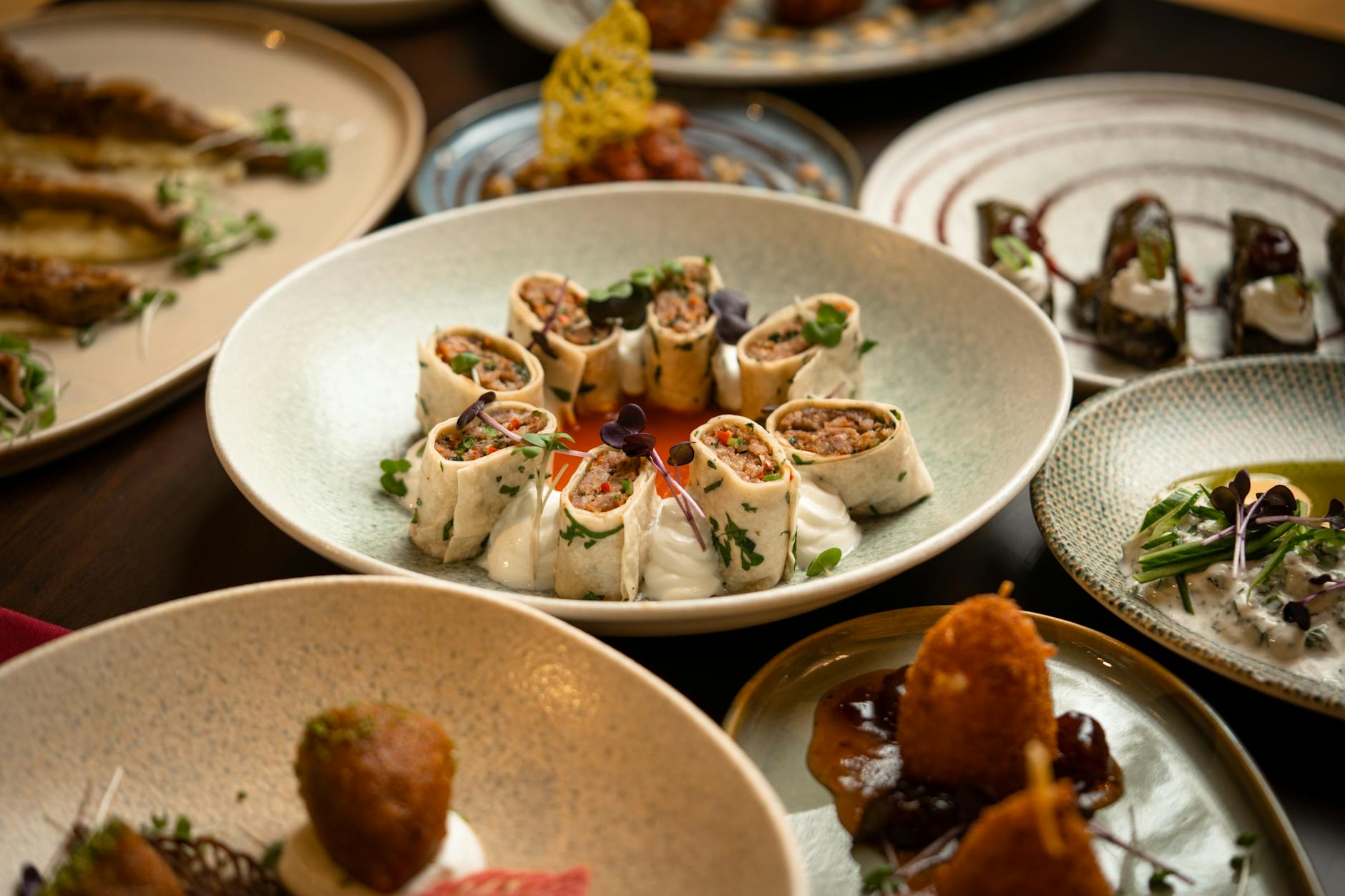
Almas translates to "diamond" in Russian. The name fits. This caviar comes exclusively from elderly albino beluga sturgeon, which produce pale gold to white eggs. A single fish might yield only 2-3 kilograms after decades of life.
Authentic Almas originates from Iranian waters of the Caspian Sea, though Russian producers occasionally harvest similar caviar from rare albino specimens. The taste is creamy, buttery, with a nutty finish that lingers. The texture is firm but melts quickly.
When I visited Caviar House in GUM last February, the manager showed me their authentication certificates for a 50-gram tin of Almas priced at ₽487,000. The paperwork included DNA verification, harvest date, and a serial number linking to the Iranian supplier. Without these documents, you're likely looking at counterfeit product or misidentified caviar.
Expect to pay ₽8,000-₽12,000 per gram for genuine Almas in Moscow. That's roughly €85-€130 per gram at current exchange rates. Anything significantly cheaper deserves suspicion.
Where Can You Taste Almas Caviar in Moscow?
Tasting before buying makes sense when a 30-gram tin costs more than a used car. Three Moscow venues offer Almas caviar by the spoonful.
Caviar House at GUM operates a tasting bar on the first floor. They stock Almas seasonally, typically October through March when Iranian shipments arrive. A 10-gram tasting portion runs ₽95,000. Book two days ahead because they prepare limited portions. The setting overlooks Red Square through GUM's glass roof.
Beluga Restaurant on Petrovka Street includes Almas in their "Tsar's Tasting" menu. The seven-course experience costs ₽145,000 per person and features 5 grams of Almas alongside Oscietra, Sevruga, and Russian beluga. Reservations open 14 days out and fill within hours for weekend slots.
Turandot Restaurant near Tverskaya offers Almas as an à la carte addition to any meal. They charge ₽48,000 for a 5-gram serving presented on a mother-of-pearl spoon with blini and crème fraîche. Their sommelier pairs it with Krug or Cristal champagne, though that adds another ₽35,000 to your bill.
All three venues require advance notice. None keep Almas on regular display because of the storage requirements and security concerns.
Moscow Shops That Sell Almas Caviar

Buying Almas to take home narrows your options. Only shops with import licenses for Iranian caviar and proper refrigeration can legally sell it.
Caviar House & Prunier operates two Moscow locations: inside GUM and a standalone boutique at Stoleshnikov Lane 12. The GUM location stocks Almas year-round in 30g, 50g, and 125g tins. Prices start at ₽285,000 for 30 grams. They provide export documentation for EU and US customers, though US import of beluga products remains restricted. The boutique offers private viewings by appointment where you can examine multiple harvest years.
Russkaya Ikra at Tverskaya 16 specializes in Russian sturgeon farms but occasionally sources Almas through Iranian partners. Their stock is unpredictable. When available, they price 50-gram tins at ₽425,000. They don't offer tasting but will open a tin for verification if you're purchasing 100+ grams.
Volkov Caviar near Patriarch's Ponds focuses on ultra-premium caviar. Their Almas selection includes both Iranian and rare Russian albino beluga. Russian Almas costs roughly 30% less (₽6,200 per gram versus ₽9,800 for Iranian) but carries different flavor notes. The Russian version tastes slightly more mineral, less buttery. They ship within Moscow via temperature-controlled courier for orders above ₽200,000.
When I compared prices across these three shops in December, Caviar House charged ₽490,000 for 50 grams, Russkaya Ikra wanted ₽425,000, and Volkov priced their Iranian stock at ₽475,000. The variation reflects harvest year and grain size more than shop markup.
How Do You Verify Authentic Almas Caviar?

Counterfeit Almas floods the luxury market. Some sellers pass off dyed Oscietra or even salmon roe as Almas. Five verification steps protect you.
First, demand the CITES certificate. All legal beluga caviar imports require Convention on International Trade in Endangered Species documentation. The certificate lists the harvest location, date, and quantity. Iranian Almas should show Caspian Sea coordinates and an Iranian export stamp.
Second, check the tin. Authentic Almas arrives in 24-karat gold-plated tins with engraved serial numbers. The Iranian supplier Almas Caviar uses specific tin designs that change yearly. Shops should provide photos of current-year authentic tins.
Third, examine the eggs. Real Almas ranges from pale gold to almost white. The eggs should be uniform in color, firm, and separate easily. If they clump or look cream-colored rather than golden, walk away.
Fourth, request DNA testing results. Reputable sellers test every batch. The results confirm albino beluga sturgeon DNA. This costs the seller €200-€400 per test, so shops selling authentic product gladly show the paperwork.
Fifth, taste before you buy large quantities. If a shop refuses a small tasting portion, they're either hiding something or don't trust their product. The flavor should be creamy with zero fishiness and a clean finish.
What Are the Export Rules for Taking Almas Out of Russia?
Russia allows caviar export up to 250 grams per person without special permits. Above that limit, you need a Federal Service for Veterinary and Phytosanitary Surveillance certificate.
The shop should provide a customs declaration form showing the product value, weight, and CITES number. Keep this with your passport. At Sheremetyevo or Domodedovo airport, declare the caviar at the red channel. Officers verify the paperwork and may inspect the tin.
Pack caviar in checked luggage with ice packs. Almas must stay below 4°C. Most shops sell insulated shipping boxes with gel packs that last 18-24 hours. These cost ₽8,000-₽15,000 depending on size.
US customs prohibits beluga caviar import due to endangered species protection. EU countries allow up to 125 grams per person with proper CITES documentation. UK rules mirror EU regulations despite Brexit. Asian destinations vary wildly. Check your home country's wildlife import rules before buying.
Is Russian Almas Different from Iranian Almas?
Russian caviar farms occasionally harvest albino beluga, creating a domestic Almas alternative. The differences matter.
Iranian Almas comes from wild Caspian sturgeon. Russian Almas typically originates from aquaculture facilities in Astrakhan or Volgograd regions. Farm-raised sturgeon mature faster (25-30 years versus 60-100 for wild fish), which affects the egg size and flavor complexity.
Wild Iranian Almas has larger eggs, firmer texture, and more pronounced nutty notes. Russian farm Almas tastes creamier, less mineral, with a shorter finish. Neither is "better." They're different expressions of the same species.
Price reflects this. Iranian Almas commands ₽9,000-₽12,000 per gram. Russian Almas runs ₽6,000-₽8,000 per gram. If you're buying for the experience rather than investment or bragging rights, Russian Almas delivers 70% of the flavor at 60% of the cost.
Some Moscow shops don't distinguish clearly between origins. Always ask. The documentation should state either "Caspian Sea, Iran" or "Russian Federation aquaculture."
Common Mistakes When Buying Almas in Moscow
First mistake: buying from hotel concierges or unofficial sources. These channels add 40-60% markup and rarely provide authentication. One guest at the Ritz-Carlton paid ₽680,000 for 50 grams of "Almas" that DNA testing later revealed as dyed Oscietra. Stick to established shops with physical locations.
Second mistake: storing Almas incorrectly after purchase. This caviar oxidizes quickly above 2°C. If you're not flying out immediately, use the shop's storage service. Caviar House charges ₽3,000 per day for refrigerated storage. That's cheaper than ruining a ₽400,000 purchase.
Third mistake: serving Almas on metal spoons. The metal alters the flavor through oxidation. Use mother-of-pearl, bone, or plastic spoons. Most shops include proper spoons with purchases above ₽200,000.
Fourth mistake: pairing with strong flavors. Almas is subtle. Serve it on plain blini or toast points with minimal crème fraîche. Skip the onions, capers, and egg garnishes that work with cheaper caviars.
Fifth mistake: not checking the harvest date. Caviar stays optimal for 12-18 months under proper storage. Anything older loses the creamy texture and develops off flavors. The tin should show a packing date within the last six months.
Planning Your Almas Experience in Moscow
If you're visiting Moscow primarily for Almas caviar, time your trip between October and March. Iranian shipments arrive in autumn, and shops stock up for the holiday season. Summer months often see zero Almas availability.
Budget ₽100,000-₽150,000 if you want a meaningful tasting experience at a restaurant. Plan ₽300,000-₽500,000 if you're buying 30-50 grams to take home. Factor in another ₽10,000-₽15,000 for proper transport packaging.
Book restaurant tastings two weeks ahead. Contact shops three days before visiting to confirm Almas stock. Many shops can source Almas with 5-7 days notice even when not currently stocked.
Combine your caviar hunt with other Moscow luxury experiences. The Tretyakov Gallery is fifteen minutes from Volkov Caviar. GUM's Caviar House sits directly above the luxury watch boutiques. After dropping half a million rubles on caviar, you're already in the right neighborhood for Bolshoi Theatre tickets or a private Kremlin tour through GetExperience.com.
The Moscow Pass includes several museums and transport options that complement a luxury food itinerary, though it won't discount your Almas purchase.
Almas caviar represents the peak of what Moscow's luxury food scene offers. The city provides better access to authentic product than London or Dubai, with prices roughly 20% lower than Western Europe. Just bring proper documentation, verify everything, and prepare for an unforgettable taste of the world's most exclusive food.


